


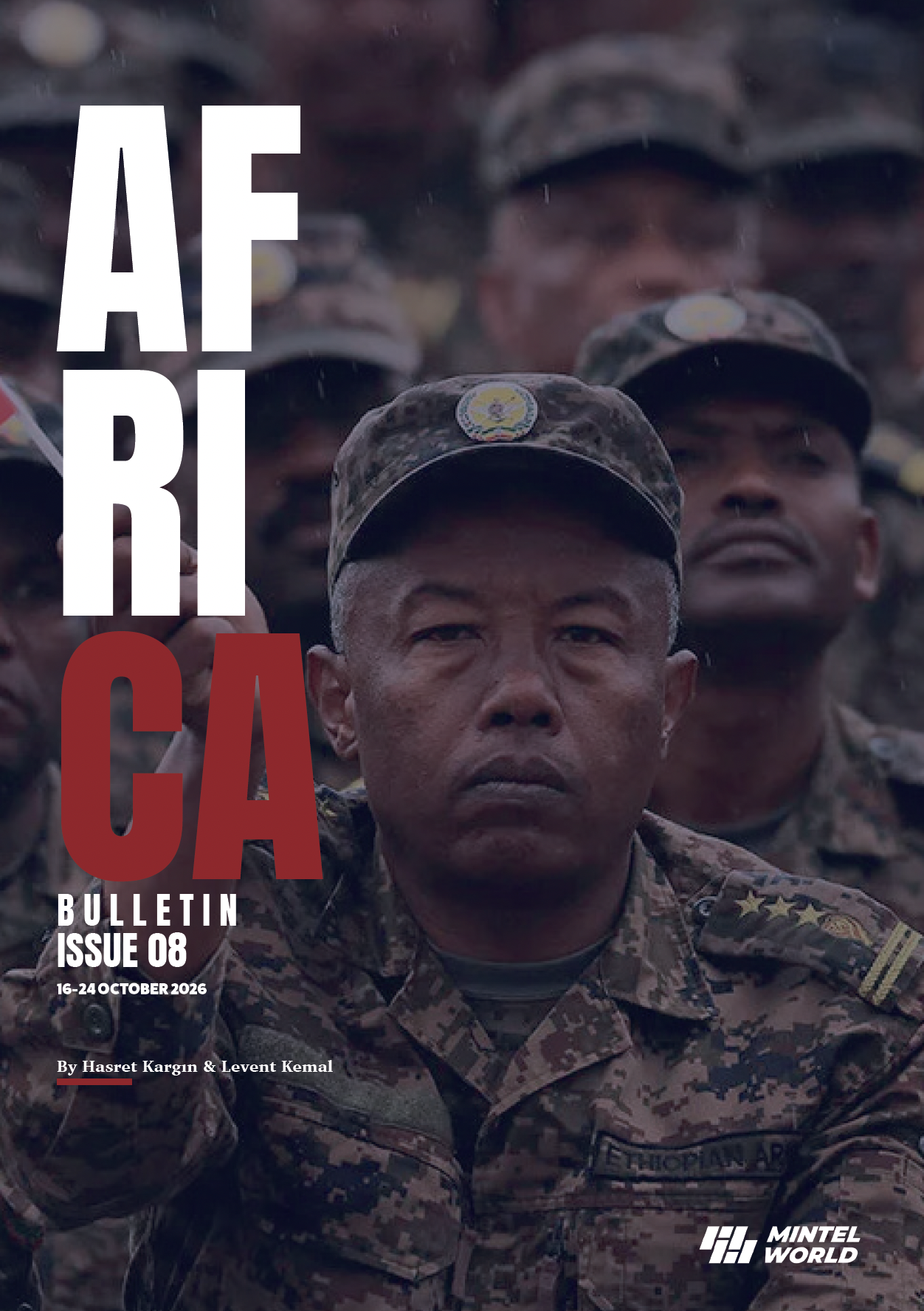
Africa Bulletin Issue 08
Executive Summary
Contested political authority and continuing armed conflict shaped Africa’s security outlook during the reporting period. Attacks on markets and fuel infrastructure in Sudan and disputed Abyei intensified humanitarian needs and strained Sudan–South Sudan relations, while casualty assessments remained contested. Renewed fighting in eastern Democratic Republic of Congo displaced communities and disrupted transport, schooling and livelihoods. Somalia’s confrontation over South West State widened around strategically important routes, alongside continuing Al-Shabaab activity. Civilian killings in Mali and disputes surrounding Ethiopia’s new Tigray administration further demonstrated the persistence of insecurity despite military operations and institutional changes. Diplomacy created practical openings without delivering decisive settlements. AES and ECOWAS agreed to establish working groups for future cooperation, preserving space for arrangements on movement, trade and security between separate regional entities. Algeria and Niger strengthened defence contacts, while Somalia’s Galmudug election produced new leadership without resolving the national electoral dispute. In Sudan, international demands for a humanitarian truce remained at odds with the military leadership’s negotiating conditions. Libya’s judicial divisions and continuing implementation gaps in Congo’s peace processes underscored the importance of institutions and commitments that command acceptance beyond their immediate sponsors. Energy and mining developments presented an uneven investment picture. Somalia’s offshore drilling remained exploratory, Namibia’s Venus oil development awaited commercial agreement, and lithium ventures depended on technical studies and binding finance. More concrete milestones included Etango’s uranium investment decision, construction progress at Angola’s Kaminho development and completion of Gamsberg’s second-phase concentrator in South Africa. Fuel shortages, fiscal pressures and unreliable electricity nevertheless constrained the benefits of resource development. Across the bulletin, the central questions are whether civilians gain safer access to roads and services, whether political agreements translate into cooperation, and whether resource ambitions secure the finance, infrastructure and operating performance needed to generate lasting economic value.
Related Intelligence
Daily Brief
Get the daily intelligence summary delivered to your inbox every morning.