


Faye's ECOWAS Chairmanship: Leadership Abroad, Paralysis at Home
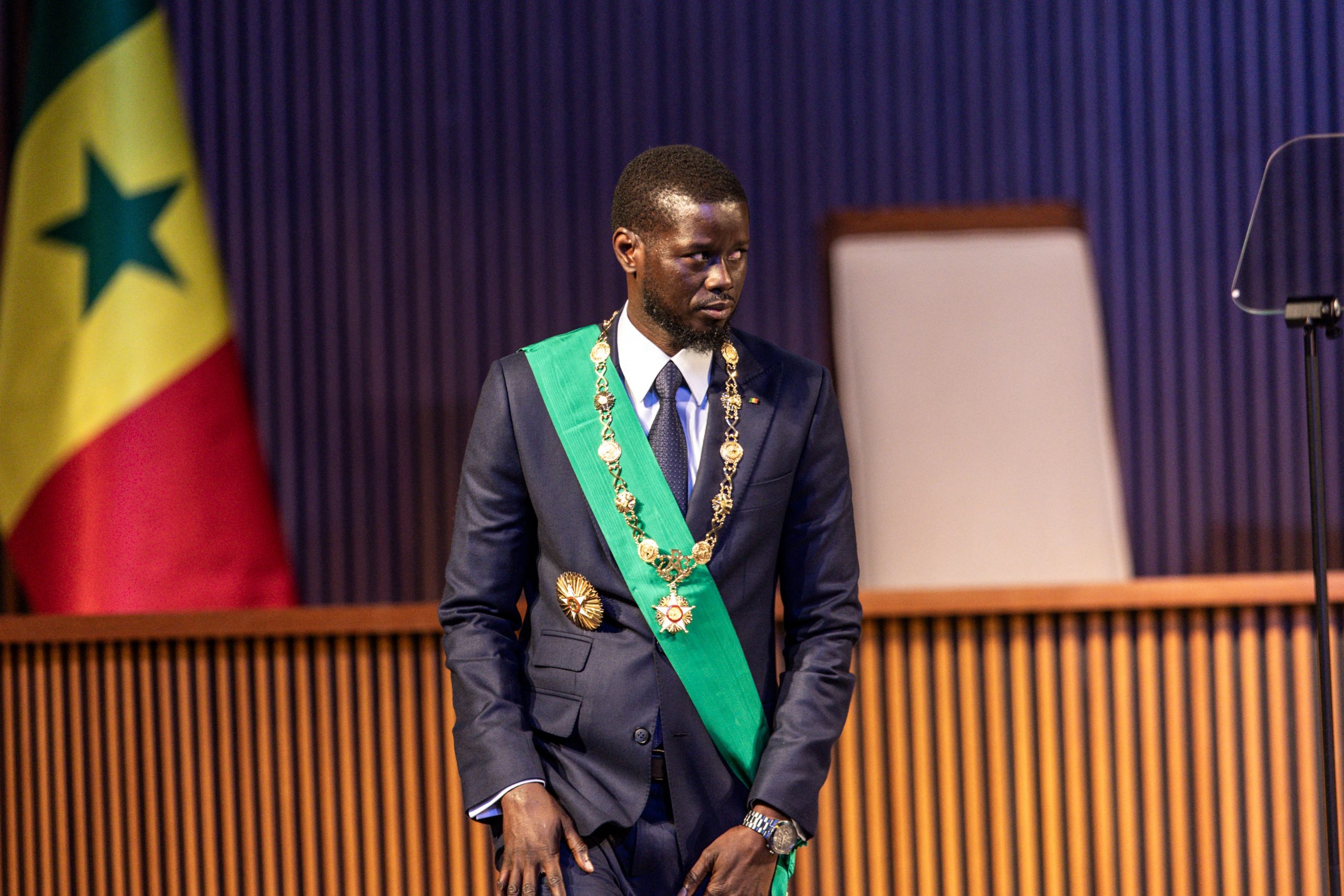
Faye's Ecowas Chairmanship
Executive Summary
The consensus election of Senegalese President Bassirou Diomaye Faye as ECOWAS Chairman on 20 June 2026 reflects a leadership vacuum within the organization rather than confidence in his leadership. Major member states avoided assuming responsibility for the bloc's legitimacy crisis following the withdrawal of the AES countries, leaving the position to a president whose domestic authority has already weakened. Faye's appointment coincides with the deepest political crisis of his presidency. After his split with Prime Minister Ousmane Sonko and the ruling PASTEF party, he lost effective parliamentary support and cannot constitutionally dissolve the National Assembly until December 2026. As a result, the chairmanship appears less as a source of political strength than as an attempt to offset declining domestic legitimacy through greater international visibility. Although Faye's sovereignty-oriented rhetoric has generated limited goodwill among the AES states, the structural barriers to reconciliation remain unchanged. Russia's interest in preserving the divide between ECOWAS and the AES, together with the military governments' determination to remain outside the bloc, makes meaningful reintegration unlikely. Ultimately, Faye's ECOWAS presidency is likely to be shaped more by Senegal's internal political struggle than by regional diplomacy. With Sonko controlling the parliamentary supermajority responsible for approving budgets and international agreements, Faye's effectiveness as ECOWAS Chairman will depend primarily on his ability to establish a new political balance at home.
Related Intelligence
Daily Brief
Get the daily intelligence summary delivered to your inbox every morning.